OpenAI Researchers Burn Through $7,000 in AI Tokens Daily Amid Coding Agent Surge
Inside OpenAI, autonomous coding agents have fundamentally transformed research workflows. Internal data reveals researchers spend an average of $600 daily on AI tokens, with power users exceeding $7,000 per day in compute—a cost OpenAI enthusiastically embraces to accelerate scientific velocity.

By Ajinkya Pawar
Head of Search & AI Intelligence • The AI NEWS

Key Developments & Executive Briefing
Extreme Daily Token Burn per Researcher
Compute Economics$7,000/Day PeakOpenAI power researchers consume upwards of $7,000 daily in AI tokens, with the median technical employee spending approximately $600 per day.
Multi-Agent Orchestration Replaces Manual Coding
Workflow EvolutionConcurrent SessionsResearchers now delegate multi-day coding pipelines to parallel agent sessions running concurrently while supervising high-level architecture.
Compute Subsidies Outweigh Labor Constraints
Organizational TradeoffR&D VelocityOpenAI leadership views massive token burn as a high-return investment that eliminates experimental bottlenecks and multiplies researcher throughput.
How does the creator of ChatGPT utilize its own models internally? According to a remarkable disclosure published in OpenAI's research dispatch *Research acceleration: The view inside OpenAI*, the company's elite research engineers have transitioned almost entirely to agentic development—consuming eye-watering volumes of compute in the process.
Reporting by IT Pro highlights that OpenAI technical staff now expend an average of $600 worth of AI tokens each day, with the most aggressive researchers routinely exceeding $7,000 per day in token consumption as autonomous agents assume responsibility for core engineering.
The Shift from Pair Programming to Autonomous Swarms
The surge in token usage reflects a qualitative transformation in how frontier models are applied to software development. Rather than querying models for autocomplete suggestions or isolated function snippets, researchers now spawn fleets of concurrent coding agents tasked with executing entire architectural modules.
In the company's internal analysis, OpenAI described this workflow inflection:
"Over the course of this year, OpenAI researchers' daily work has changed substantially. Researchers are using coding agents throughout the day (often in concurrent sessions) and total usage is rapidly increasing, outpacing growth among other OpenAI teams. The ways researchers use agents are changing, too: agents are handling increasingly complex tasks, and succeeding at them more often."
Instead of sitting in front of text editors manually writing boilerplate, researchers act as high-level directors: framing problem specifications, generating evaluation harnesses, and letting autonomous agents iterate through compiler errors, write unit tests, and submit merge-ready pull requests.
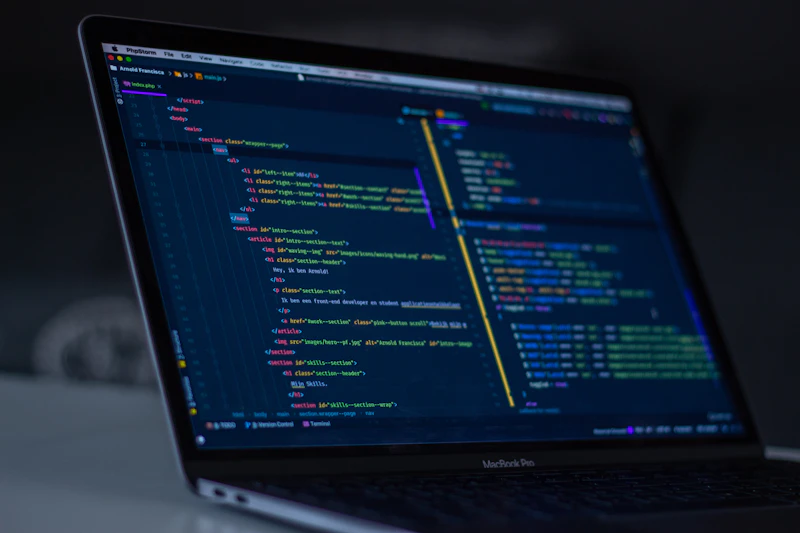
*Above: Telemetry logging concurrent agent sessions, compiler validation loops, and token utilization across modern developer environments.*
The Economics of Agentic R&D: Why $7,000/Day Makes Sense
At first glance, a $7,000 daily token burn per employee appears exorbitant. However, within the high-stakes economics of frontier AI development, compute costs pale in comparison to human engineering constraints:
- Multiplier on World-Class Talent: Top AI research scientists command compensation packages in the millions of dollars. If providing a $200,000 annual token budget enables an engineer to run 10x more experiments and ship breakthroughs months ahead of competitors, the ROI is overwhelmingly positive.
- Eliminating Experimental Dead-Time: Running agent sessions concurrently overnight allows engineers to wake up to dozens of verified experimental variations, drastically compressing R&D feedback loops.
- Complex Long-Horizon Execution: As context windows expand and multi-agent coordination protocols mature, agents can autonomously ingest massive 100,000-line repositories, trace distributed dependencies, and execute multi-hour refactorings.
Industry Implications for Enterprise Software Teams
The findings from inside OpenAI provide a forward-looking blueprint for software engineering organizations worldwide. As tools like Model Context Protocol (MCP), Cursor, and autonomous agent frameworks proliferate, enterprise engineering budgets will inevitably shift from seat-based IDE licensing toward elastic, consumption-based agentic compute budgets.
For engineering leaders, the takeaway is stark: the bottleneck to software delivery is no longer typing speed or syntax recall—it is the organizational willingness to underwrite the compute necessary to let autonomous agents solve complex problems at machine speed.
Sources & References
Related Coverage
Anthropic Projects Consecutive Quarterly Profitability as Enterprise Claude Demand Defies Foundation Model Margin Squeeze
AI & ModelsAnthropic Selects Nasdaq for Landmark Public Listing as Frontier AI Commercialization Accelerates
AI & ModelsAnthropic CEO Dario Amodei: 'For Too Long the Industry Lied' About Frontier AI Risks as Tech Leaders Back Slowdown Calls
Discussion (0)
Be the first to share insights on this story.